Category: Mental Health
-

How to Let Yourself Feel (Without Getting Lost in It)
Many people struggle to experience their emotions fully due to learned patterns of avoidance or suppression. Acceptance and Commitment Therapy (ACT) teaches individuals to accept and observe their feelings without being defined by them. This approach promotes emotional regulation, enabling resilience while allowing emotions to move naturally through the body.
-

Ways to Merge Mental and Physical Health (So Your Body and Mind Work Together)
Mental and physical health are interconnected, operating through the nervous system. Addressing both simultaneously is essential for true wellness. Simple practices like slowing breathing, stabilizing diet, and reducing input can foster balance. Supporting daily rhythms, processing emotions physically, and aligning actions with values lead to a more grounded and manageable life.
-

How to Get Out of Fight or Flight (When You Can’t Just “Relax”)
The article discusses the persistent nature of stress linked to the body’s fight or flight response, emphasizing that mental techniques alone aren’t effective. It suggests practical steps to re-regulate the nervous system, such as focused breathing, gentle movement, grounding techniques, reducing stimuli, and creating moments of safety. These strategies aim to help individuals feel more…
-

Stressed? Stimulate the Vagus Nerve
The vagus nerve plays a crucial role in stress regulation, connecting the brain and body. By gently stimulating this nerve through simple practices like intentional breathing and gentle movement, individuals can shift from stress to calm naturally. Emphasizing physical relaxation over mental strategies fosters better emotional regulation and overall well-being.
-

6 Science-Backed Ways To Fall in Love with Yourself
Self-love is a gradual process rather than a destination, shaped by the way we treat ourselves daily. Key practices include positive inner dialogue, keeping small promises, regulating the nervous system, practicing self-compassion, engaging in supportive movement, and limiting comparisons. Building self-love requires consistent, nurturing experiences over time.
-
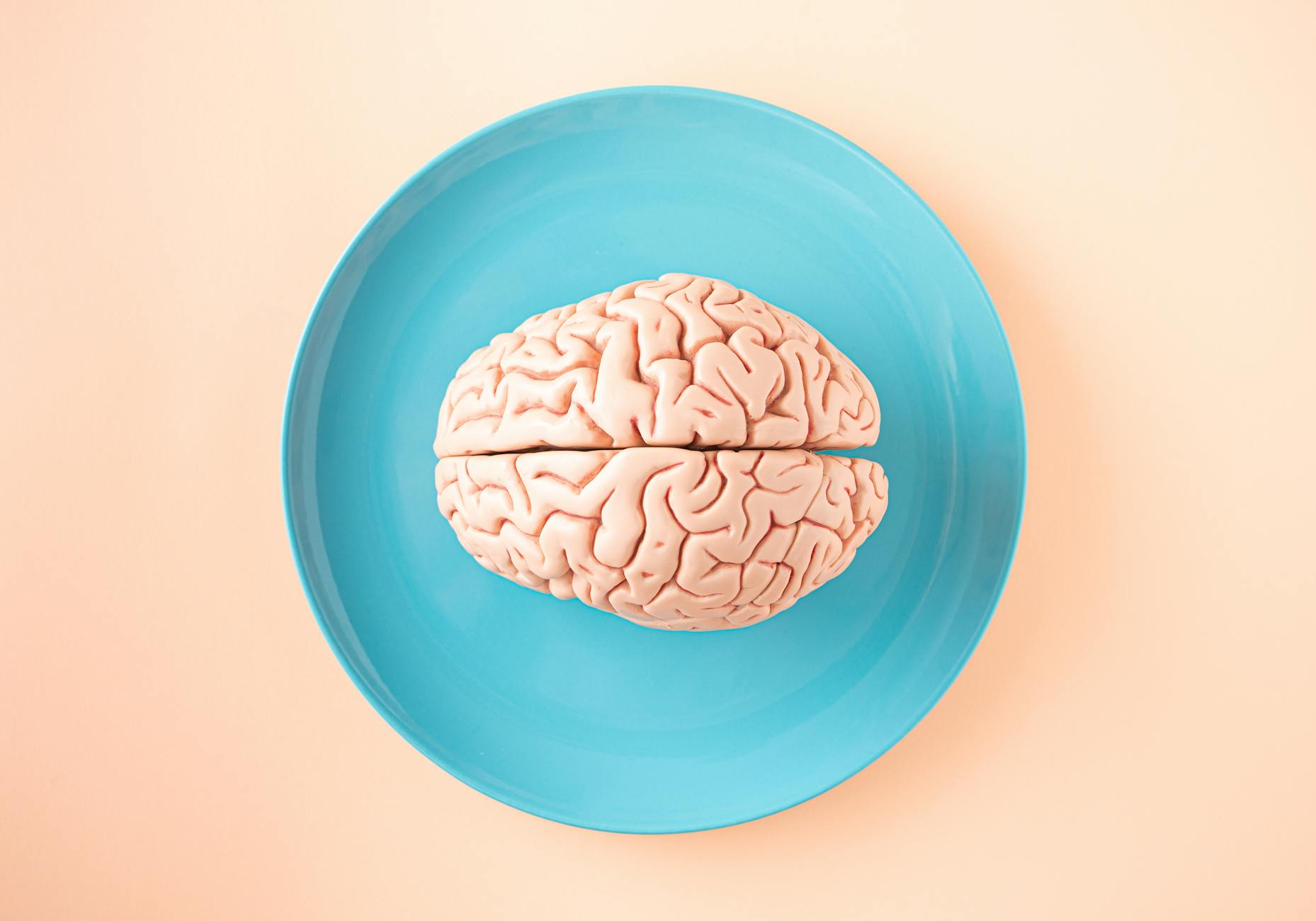
5 Micro Brain-Boosting Practices You Can Do in 30 Seconds or Less
Improving focus and mental clarity can be achieved through small, intentional practices rather than drastic lifestyle changes. Techniques such as extending exhales, softening your gaze, grounding yourself, pausing before responding, and using cold water or movement can help regulate your nervous system and enhance clarity without overwhelming you.
-
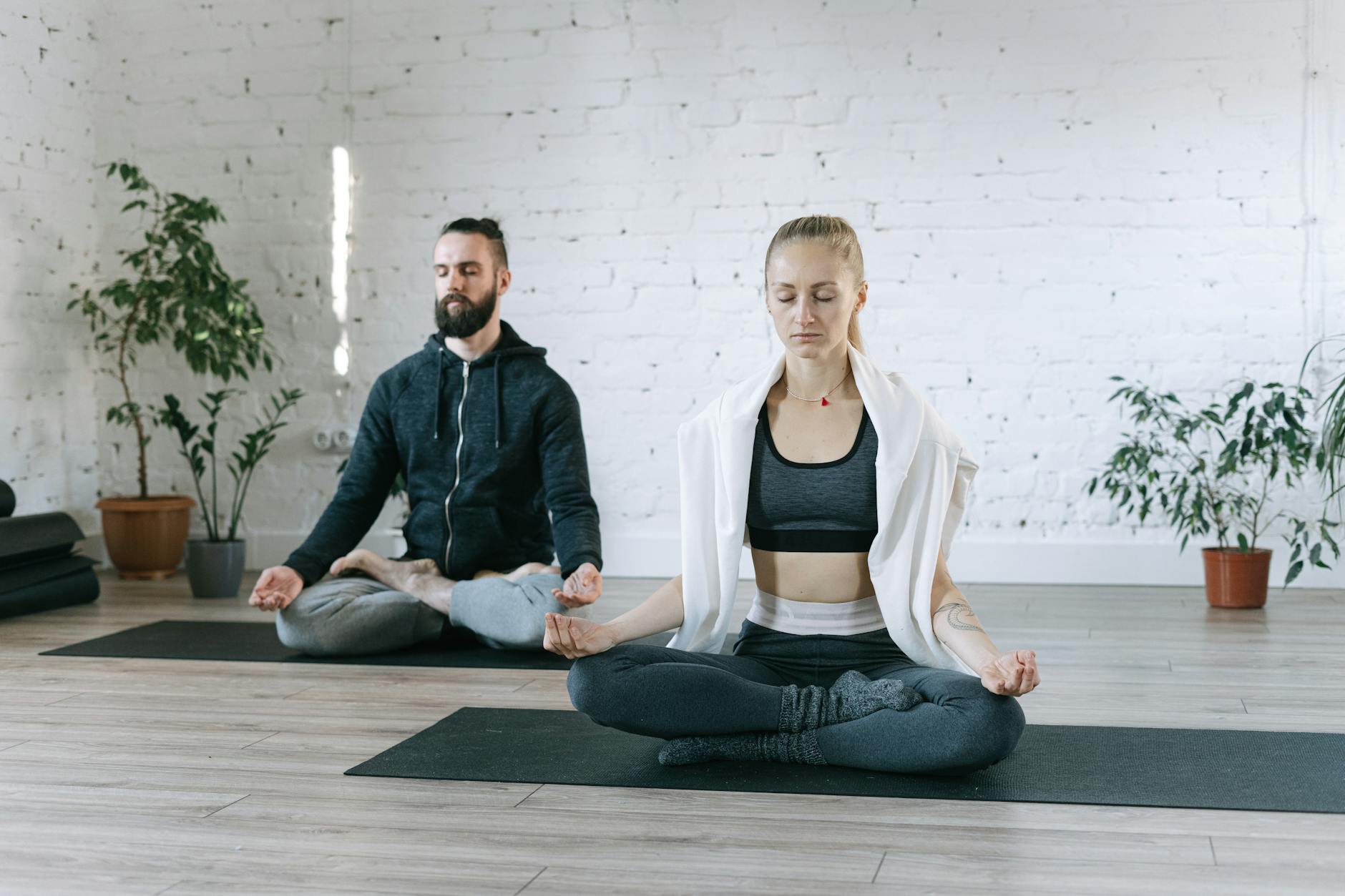
How to Create Weekly Rhythms That Support Your Nervous System
The structure of your week influences your nervous system’s health, often leading to feelings of burnout. Establishing predictable rhythms and transitions can create stability, reduce stress, and help your body feel secure. Focus on sustainable practices rather than perfection, allowing white space for processing and integration in daily life.
-

Why You Feel Better at Night but Anxious During the Day
Many people notice a pattern. During the day, they feel anxious, overwhelmed, or on edge. At night, they finally feel calm. The Role of Cortisol Cortisol is a stress hormone that peaks earlier in the day. If your nervous system is already sensitive, this can amplify anxiety during daytime hours. Why Night Feels Different At…
-

Why Small Tasks Feel So Overwhelming
When you are overwhelmed, even simple tasks can feel difficult. Replying to a message. Folding laundry. Making a decision. These tasks are not objectively hard. But they feel hard. The Nervous System Load When your nervous system is overloaded, your capacity decreases. The brain has less energy for decision-making and focus. So everything feels heavier.…
-

The Emotional Load of Doing It Alone
The emotional and mental burdens of caregiving can lead to profound exhaustion, often unrecognized by others. This “invisible work” includes constant planning, decision-making, and emotional management, which increases stress levels. Acknowledging this load is crucial, as simplifying tasks and creating small breaks can help alleviate the overwhelming pressure individuals face.