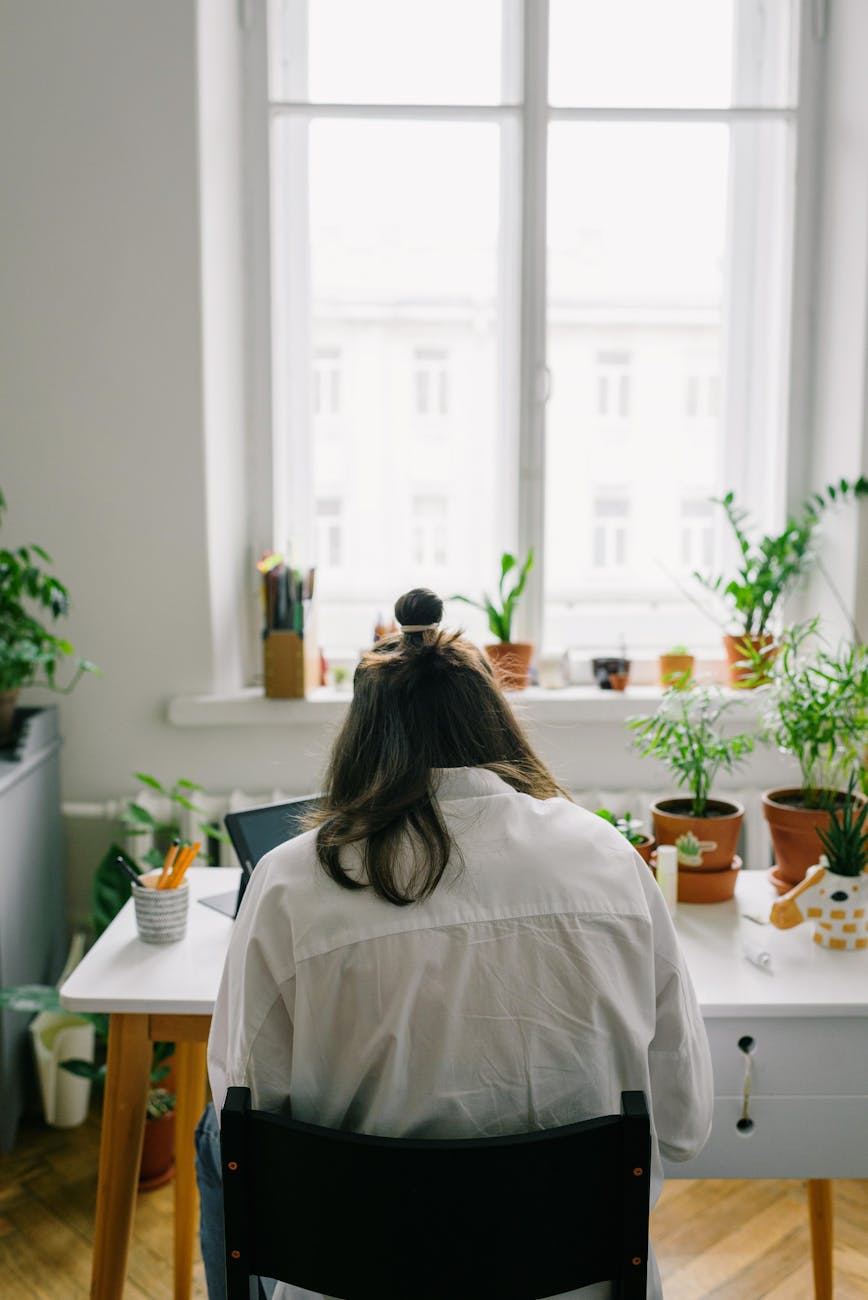
In today’s world, sitting all day has quietly become the norm. We work at desks, drive in cars, scroll on our phones, and unwind on the couch. It feels like rest, but many people are ending the day feeling more tired, more tense, and less clear than when they started.
If that’s you, your body is not failing you. It’s responding exactly as it was designed to.
Sitting Is Not the Same as Rest
This is where most people get confused.
Sitting feels like doing nothing, but your body is still working. Your mind is engaged, your posture is held, your breath becomes shallow, and your nervous system often stays in a low level of activation.
True rest allows the body to downshift. Sitting, especially while working or consuming information, often does not.
Over time, this creates fatigue without recovery.
What Happens in the Body
When you sit for long periods without variation, your body starts to adapt in ways that don’t support energy or comfort.
Circulation slows. Muscles in the hips, shoulders, and neck begin to tighten. Breathing becomes more restricted. The nervous system stays slightly alert instead of fully relaxed.
You may notice this as stiffness, tension, or that heavy, drained feeling that doesn’t go away even after you stop working.
This is also why symptoms like neck tension and headaches tend to build throughout the day. The body is holding more than it’s releasing.
The Nervous System Piece
What’s often missed is that this isn’t just physical. It’s neurological.
When you are sitting and focused for long periods, especially on screens, your nervous system is continuously engaged. Even if you are still, your system is processing, reacting, and staying alert.
This can leave you feeling both tired and overstimulated at the same time.
It’s not just that you need to move more. Your body also needs moments where it can actually settle.
Why You Feel Worse Instead of Better
It seems like doing less physically should conserve energy.
But the body doesn’t work that way.
Without movement, circulation, and variation, energy doesn’t build. It stagnates.
So instead of feeling restored, you feel:
tired
stiff
foggy
disconnected from your body
This is your body asking for input, not more stillness.
What Actually Helps
You don’t need an intense routine to fix this. You need small, consistent shifts throughout your day.
Start simple.
Change your position more often. Stand up, stretch, or walk for even one to two minutes every hour. This alone can improve circulation and reduce tension.
Bring awareness to your breath. Slow, steady breathing helps your nervous system come out of that constant low-level activation.
Reduce continuous input when you can. Step away from screens, even briefly. Give your body a moment without stimulation.
These are not big changes. But they are the ones your body responds to most.
A Simple Reframe
Your body is not tired because you did too much.
It’s tired because it didn’t get what it needed.
When you start giving it movement, breath, and space to reset, your energy begins to return naturally.
FAQ
Why do I feel exhausted even though I sit all day?
Because sitting does not equal rest. Your nervous system may still be active, your muscles are holding tension, and your body is not fully recovering.
Can sitting really affect my energy that much?
Yes. Lack of movement impacts circulation, breathing, and nervous system regulation, all of which play a role in how energized or depleted you feel.
How often should I move during the day?
Ideally, every 30–60 minutes. Even brief movement makes a difference. It doesn’t need to be structured or intense.
What’s the easiest place to start?
Stand up more often. Take a few slow breaths. Reduce screen time where you can. Start small and stay consistent.
Start Here
There’s no question that stress is a major global health concern, and interpersonal conflict and violence remain highly prevalent. If you’ve been feeling overwhelmed, exhausted, or unsatisfied in your relationships, you’re not alone. Individually and collectively, many are simply unwell.
Simple Mom Wellness exists to change this by providing accessible, practical tools that support individuals and families around the globe in building healthy bodies, healthy minds, and healthy relationships. You can be part of this change today. Explore our online programs, join an upcoming event, or get involved by donating or volunteering.
We also invite you to join The Regulation Room, a weekly guided opportunity to gather and regulate. Together, we’re building healthy minds, healthy bodies, and healthy relationships so people can move through life feeling confident, calm, and connected.
Many people begin with:
For communication patterns and relationship dynamics, Calm in the Chaos provides practical tools for staying grounded and clear.
Thank you for supporting our mission.
Leave a Reply