Category: Conscious Parenting
-

The Art of Co-Regulation
Co-regulation is one of the most foundational and overlooked parts of emotional health. It is the process of one nervous system supporting another, helping it move from a state of stress, overwhelm, or activation back into a state of calm and stability. This is not something you have to force or perform. It is something…
-
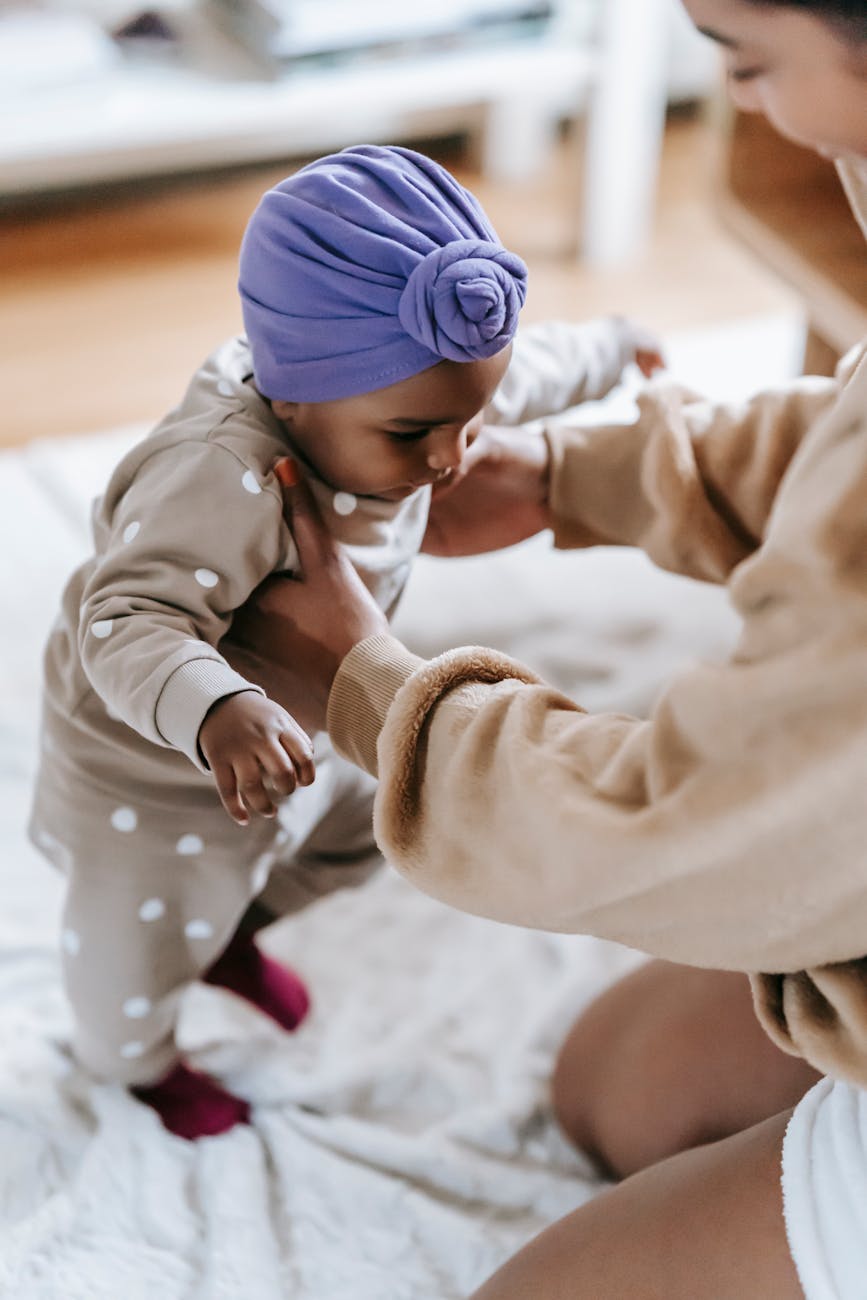
Why Babies in Africa Seem to Cry Less
Research indicates that babies in Africa cry less due to cultural practices emphasizing constant physical closeness and responsive caregiving. Caregivers respond to early cues before distress escalates, maintaining a calm environment. In contrast, Western cultures often prioritize independence, which can lead to increased crying. Simple adjustments can enhance a baby’s sense of safety.
-

4 Little Notes to Help You Parent in a More Grounded Way
There’s a quiet pressure in parenting to respond perfectly, stay calm, and always know what to do. But children don’t need perfection. They need consistency and repair. You are allowed to have moments where you feel overwhelmed or unsure. What matters more is how you come back from those moments. When you pause, reset, and…
-

How to Stop Passing Survival Mode Down to Your Children
Parents often experience overwhelming reactions in stressful situations, leading to a cycle of “survival mode.” This state affects children’s emotional learning through co-regulation, where they mirror caregivers’ nervous systems. By prioritizing personal regulation, establishing a calm home environment, and promoting repair over perfection, parents can foster stability and healthier relationships.
-

Benefits of Mommy and Me Yoga: How Movement and Connection Support Moms and Babies
Mommy and Me yoga helps new mothers and their babies reconnect through gentle movement and shared attention. It supports postpartum recovery, emotional regulation, and baby’s physical development while fostering a sense of community among caregivers. This practice creates a calm routine, enhancing the parent-child bond and promoting emotional resilience.
-

How Parents Can Help Children Regulate Big Emotions
Children often experience intense emotions due to their developing nervous systems. While emotional outbursts may seem exaggerated, they signal distress. Parents can foster long-term emotional resilience through connection and co-regulation. Practical strategies include staying calm, identifying emotions, providing comfort, and creating routines, which can help children learn to manage their feelings effectively.
-

Why Predictability Helps Children Feel Safe
Children crave predictability, not control. An immature and sensitive nervous system leads to clinginess or anxiety in unpredictable situations. Predictable caregiving fosters trust, lowers stress, and supports emotional regulation. Consistency in routines and responses helps children feel safe. When predictability is absent, children may suffer from hyper-vigilance and insecurity.
-

What Children Learn When Adults Model Emotional Regulation
Children learn emotional regulation primarily by observing adults, not through lectures or consequences. Their understanding stems from adults’ handling of stress, conflict, and emotions. Regulated adults model that emotions are manageable, while dysregulation can inadvertently teach anxiety and people-pleasing. Consistent adult calm fosters emotional safety, influencing children’s future emotional responses.
-

How to Stay Calm When Your Child Is Dysregulated
Parents often expect calm behavior from their children during challenging moments. However, when children react emotionally, it may signify their nervous system’s need for connection. Staying calm is crucial, teaching children emotional regulation over time. Tools like weighted blankets and supportive affirmations facilitate this process, promoting safety and consistency.
-

How to Create Calm Routines Without Rigid Schedules
Creating calm for children involves establishing flexible routines rather than rigid schedules. Predictability helps reduce anxiety and power struggles, fostering emotional regulation. Routines anchored in environmental cues provide children a sense of safety without added pressure. Consistency and compassionate approaches support families, especially during stressful times. Overall, calm routines enhance well-being for both parents and…