Category: Wellness
-

Children, ADHD, and a Natural Healing Perspective
Parents of children diagnosed with ADHD often feel overwhelmed and confused about treatment options. While conventional views suggest managing symptoms, Anthony William offers a holistic perspective that sees ADHD as the brain responding to stressors like toxins and infections. His approach emphasizes nutrition and supporting the nervous system, encouraging a balanced perspective on care.
-

3 Oatmeal Bowls for Morning, Lunch, and Dinner (Easy, Nourishing Recipes That Keep You Full)
Oatmeal is often seen as just a quick breakfast. Something simple, maybe even a little boring. But when you build it well, oatmeal becomes one of the most versatile, grounding, and nourishing meals you can have any time of day. Oats are rich in fiber, especially beta-glucan, which has been shown to support heart health,…
-

How to Naturally Increase Libido (What Actually Works)
Libido is influenced by various factors, including stress, sleep, movement, nutrition, and emotional connection. Chronic stress and poor sleep diminish desire, while balanced exercise and a nutritious diet support sexual health. Understanding low libido as feedback rather than a problem can help individuals address underlying issues and promote intimacy.
-

How to Actually Become Magnetic (Beyond Manifestation)
Magnetism stems from a regulated nervous system, not merely from positive thinking or effort. When individuals are present, grounded, and self-trusting, they naturally attract others without forced performance. Simple shifts, like slowing down and being mindful, enhance magnetism. Ultimately, it’s about removing internal tension to foster genuine connections.
-

Why You Feel Exhausted Even When You’re Doing Nothing
Feeling exhausted without exertion often indicates chronic stress affecting the nervous system rather than a lack of motivation. Attempting to rest may not resolve fatigue if the system remains activated. Effective recovery involves practices that promote safety and regulation within the body, not just increased rest. Simple Mom Wellness offers tools for support.
-
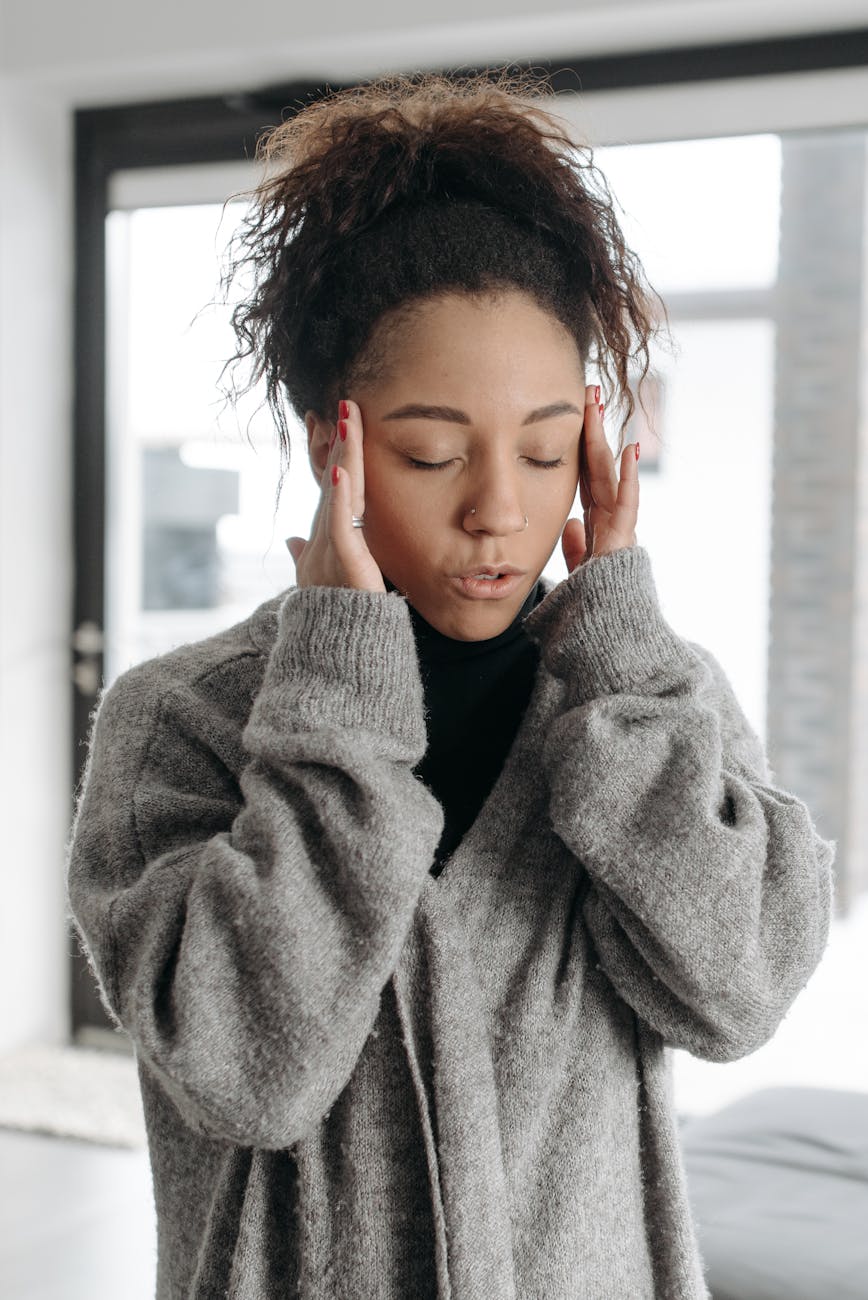
The True Cause of Headaches (It’s Not Just Stress)
Headaches are commonly linked to stress, but they typically stem from nervous system overload and physical tension. Tension headaches, characterized by pressure and tightness, often accompany neck and shoulder muscle tension. Contributing factors include dehydration, overstimulation, and emotional tension. To manage headaches effectively, prioritize hydration, nervous system regulation, gentle movement, and proper nutrition.
-

Why You Have a Tense Neck (and How to Actually Release It)
Neck tension is a prevalent issue often attributed to posture, but it also stems from the nervous system. Chronic stress causes persistent muscle tension, particularly in the neck. Effective relief requires addressing both the body and nervous system through breath control, gentle movements, and reducing overstimulation. Simple Mom Wellness offers tools for healing and support.
-

Why You Can’t Relax Even When You Have Time
Many individuals experience restlessness and tension even when they have time to relax, due to their nervous system being conditioned for stress. This pattern can be disrupted by gradually incorporating practices like short periods of stillness and predictable routines. Simple Mom Wellness offers resources to foster calm, health, and connected relationships.
-

Is Scrolling Relaxing for Your Brain and Nervous System?
Scrolling on social media may seem relaxing but often leads to mental fatigue rather than true rest. It keeps the brain in a state of low-level stimulation, preventing the nervous system from shifting into relaxation. Awareness and moderation in scrolling are essential to support genuine recovery and well-being.
-

Benefits of Mommy and Me Yoga: How Movement and Connection Support Moms and Babies
Mommy and Me yoga helps new mothers and their babies reconnect through gentle movement and shared attention. It supports postpartum recovery, emotional regulation, and baby’s physical development while fostering a sense of community among caregivers. This practice creates a calm routine, enhancing the parent-child bond and promoting emotional resilience.