Tag: mental health
-

4 Little Notes to Help You Parent in a More Grounded Way
There’s a quiet pressure in parenting to respond perfectly, stay calm, and always know what to do. But children don’t need perfection. They need consistency and repair. You are allowed to have moments where you feel overwhelmed or unsure. What matters more is how you come back from those moments. When you pause, reset, and…
-

Why Calm Relationships Feel Unfamiliar After Chaos
The content discusses how individuals often feel uncertain and uncomfortable in calm relationships due to their past experiences with emotional intensity and inconsistency. It explains that a stable connection does not rely on emotional highs but fosters clarity and support. Over time, learning to trust this new dynamic can redefine one’s understanding of love.
-

How to Get Out of Fight or Flight (When You Can’t Just “Relax”)
The article discusses the persistent nature of stress linked to the body’s fight or flight response, emphasizing that mental techniques alone aren’t effective. It suggests practical steps to re-regulate the nervous system, such as focused breathing, gentle movement, grounding techniques, reducing stimuli, and creating moments of safety. These strategies aim to help individuals feel more…
-

Can You Know Red Flags Early? What Lundy Bancroft Teaches
Many individuals overlook red flags in relationships due to their inability to recognize or dismiss them. Controlling behaviors may initially seem like care, while early signs of disrespect and lack of accountability can go unnoticed. It’s essential to trust uncomfortable feelings and pay attention to these subtle cues for a healthy relationship.
-

Stressed? Stimulate the Vagus Nerve
The vagus nerve plays a crucial role in stress regulation, connecting the brain and body. By gently stimulating this nerve through simple practices like intentional breathing and gentle movement, individuals can shift from stress to calm naturally. Emphasizing physical relaxation over mental strategies fosters better emotional regulation and overall well-being.
-

6 Science-Backed Ways To Fall in Love with Yourself
Self-love is a gradual process rather than a destination, shaped by the way we treat ourselves daily. Key practices include positive inner dialogue, keeping small promises, regulating the nervous system, practicing self-compassion, engaging in supportive movement, and limiting comparisons. Building self-love requires consistent, nurturing experiences over time.
-

Small Home Changes That Create a Sense of Calm
Your environment significantly influences your nervous system’s state. By making small adjustments in your home—such as reducing clutter, softening sensory input, and fostering predictability—you can create a calming atmosphere. This shift promotes relaxation, allowing your body to feel safe and supported, ultimately enhancing your well-being and presence.
-

Signs of Emotional Abuse Most People Miss
Emotional abuse often goes unnoticed as it unfolds gradually, leading to confusion and self-doubt, commonly through tactics like gaslighting. Victims may feel they must manage others’ emotions, leading to exhaustion and a sense of diminishment. Recognizing these patterns is crucial for addressing unhealthy relationship dynamics and promoting well-being.
-
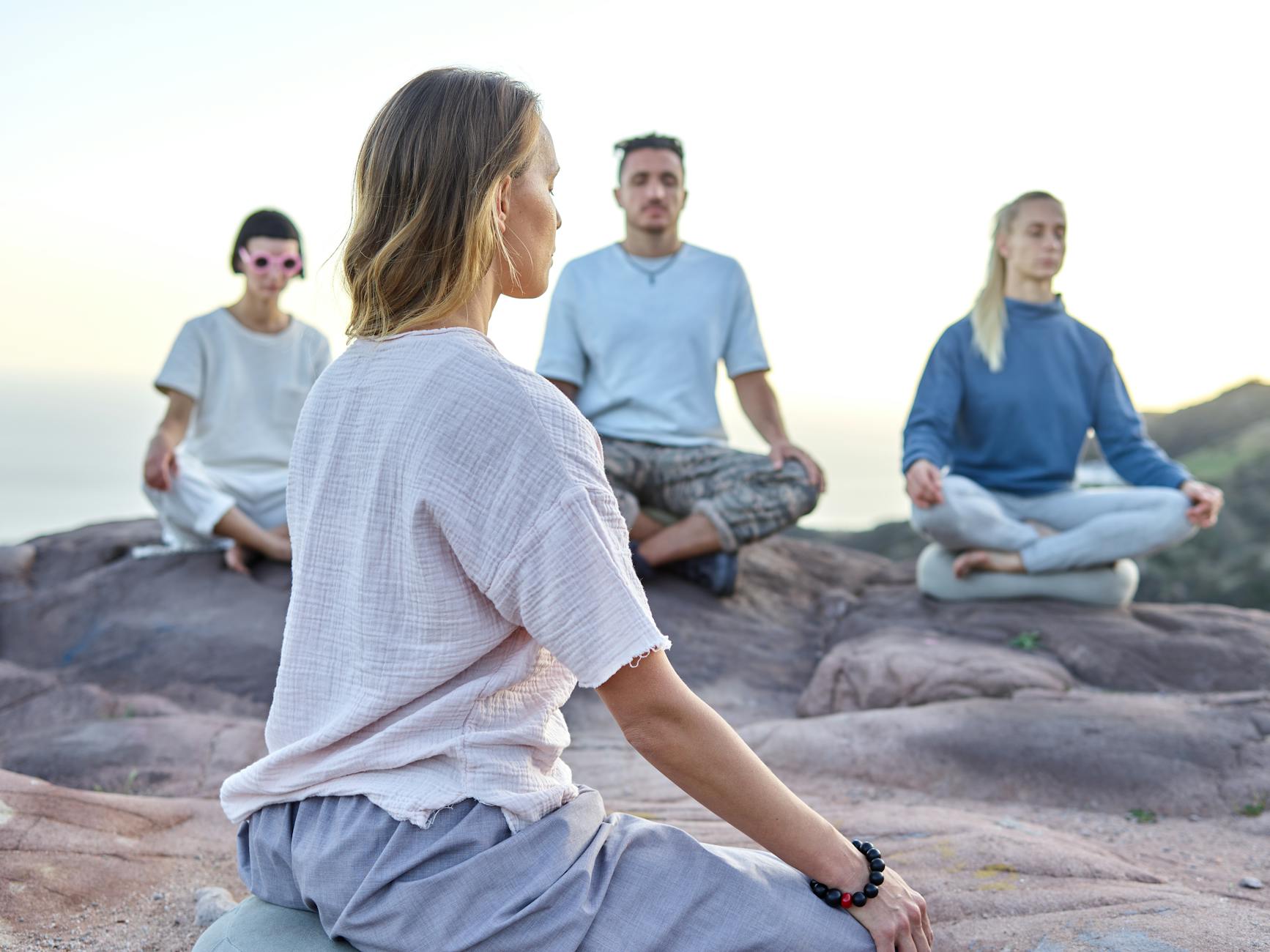
Why There’s Nothing Better Than Meditating in a Group
Meditation is often perceived as a solitary activity, but practicing in groups offers distinct benefits. Group meditation creates a supportive environment that enhances relaxation, builds consistency, fosters connection, and provides guidance. This collective experience helps individuals regulate their nervous systems, making meditation more accessible and effective while promoting emotional resilience and community well-being.
-

Calm Is a Skill. And It Can Be Learned
Calm is often misunderstood. It’s easy to assume that some people are just naturally calm. That they were born that way. That they have easier lives, fewer stressors, or better circumstances. But calm is not something you’re given. It’s something you build. And like any skill, it can be learned. Why Calm Doesn’t Come Naturally…