Tag: nervous system regulation
-

How Parents Can Help Children Regulate Big Emotions
Children often experience intense emotions due to their developing nervous systems. While emotional outbursts may seem exaggerated, they signal distress. Parents can foster long-term emotional resilience through connection and co-regulation. Practical strategies include staying calm, identifying emotions, providing comfort, and creating routines, which can help children learn to manage their feelings effectively.
-

7 Nervous System Regulation Tools We Love
Many individuals currently experience overwhelming stress due to the fast pace of life and inadequate support for their nervous systems. Simple tools, including morning routines, breathwork, gentle movement, magnesium, reduced stimulation, calming evening rituals, and grounding techniques, can help regulate the nervous system. Implementing these practices can foster a sense of safety and stability.
-

Calm Is a Skill. And It Can Be Learned
Calm is often misunderstood. It’s easy to assume that some people are just naturally calm. That they were born that way. That they have easier lives, fewer stressors, or better circumstances. But calm is not something you’re given. It’s something you build. And like any skill, it can be learned. Why Calm Doesn’t Come Naturally…
-

What Is Your Dosha? A Simple Introduction to Ayurveda
Ayurveda emphasizes personalized health through understanding one’s unique constitution, known as dosha. The three doshas—Vata, Pitta, and Kapha—represent distinct energies affecting physical and mental processes. Recognizing and balancing one’s dominant dosha can enhance well-being, digestion, and emotional stability by guiding lifestyle choices aligned with individual needs.
-
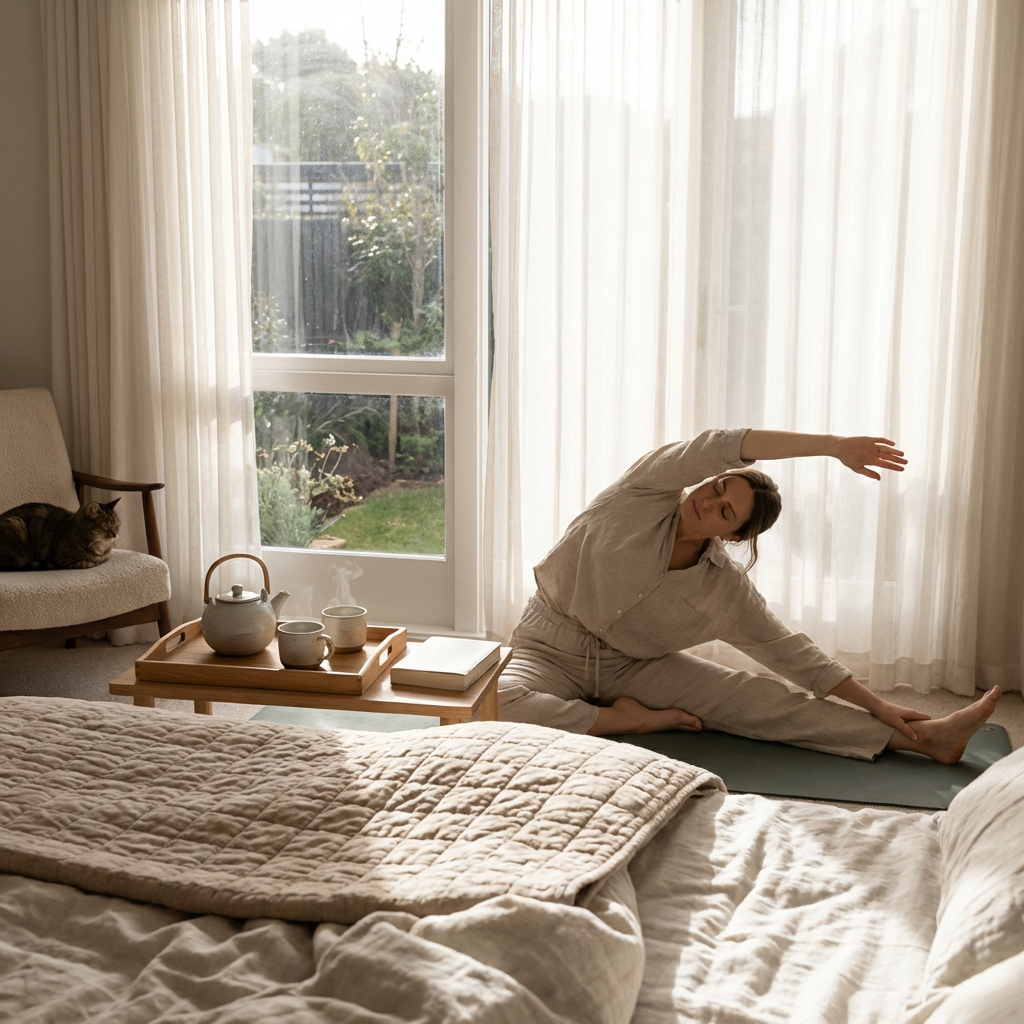
Daily Nervous System Regulation Habits That Actually Work
Most people don’t need more coping tools. They need daily nervous system regulation habits that are simple enough to repeat. Regulation is not achieved through occasional breakthroughs. It’s built through small, consistent signals of safety that lower baseline stress over time. If your body feels tense even when nothing is “wrong,” that’s not weakness. It’s…
-

Why Nervous System Regulation Matters During Pregnancy
Pregnancy affects the nervous system significantly, influencing physical and emotional well-being. Stress manifests as fatigue or emotional sensitivity, highlighting the need for support. A calm pregnancy values safety over control, fostering clearer thinking and confidence. The book “Simple Natural Pregnancy” guides expectant mothers in nurturing their nervous system and making values-aligned choices.
-

How to Have an Easy Natural Birth
An easy natural birth focuses on nervous system safety rather than pain tolerance. Labor progresses best in a calm, supportive environment where oxytocin thrives. Preparation involves emotional and physical regulation months prior, using affirmations and soothing supports. Ultimately, ease in birth means feeling supported, safe, and powerful, rather than pain-free.
-

It’s Not What You Eat—It’s Who You Are When You’re Eating
The state of your nervous system significantly influences your eating experience, affecting digestion, appetite, and satisfaction. Eating in a relaxed state fosters healthier relationships with food, while stress and anxiety can lead to cravings and unsatisfying meals. Regulating before eating enhances nourishment and encourages a sense of safety and peace.
-

How Stress Disrupts Sleep, Hormones, and Appetite
Chronic stress disrupts sleep, hormones, and appetite due to the nervous system’s prioritization of survival. Elevated cortisol levels cause restlessness, distorted hunger cues, and hormonal imbalances. To restore balance, addressing these interconnected systems through regulation, consistent routines, and supportive foods is essential, rather than attempting to optimize each area individually.
-

How Your Home Environment Affects Your Nervous System
Your nervous system subconsciously reacts to environmental cues, influencing your feelings of safety or stress at home. Clutter and sensory overload impact focus and relaxation. Creating a calming space with predictability and gentle sensory inputs can enhance emotional regulation and reduce tension, leading to improved well-being without extensive changes.