Tag: stress
-
What’s Happening in Your Cells Under Stress
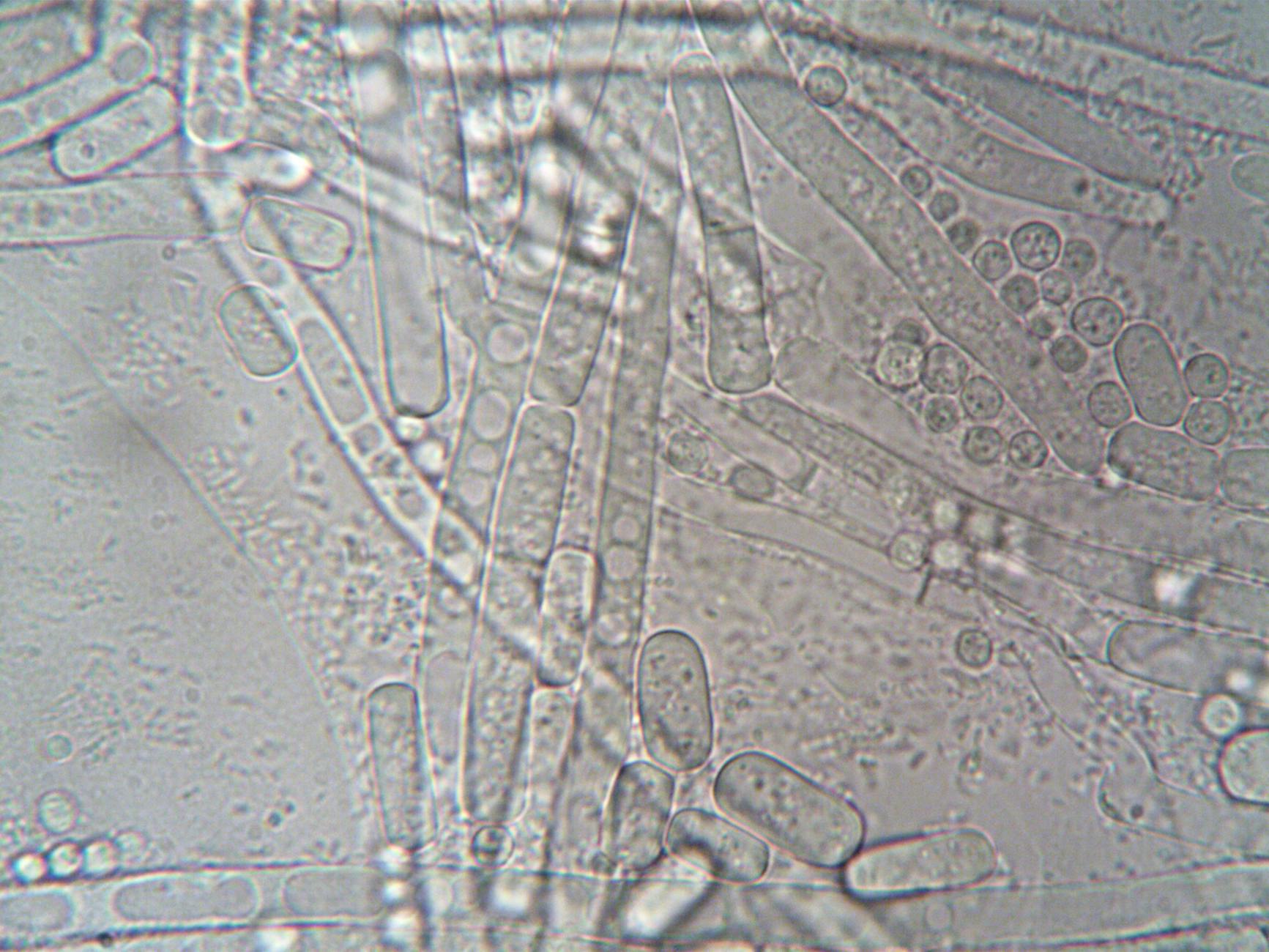
Stress is a full-body physiological response, not solely an emotional experience. It triggers the fight or flight response, affecting cellular energy production and leading to exhaustion. Chronic stress increases inflammation and slows repair processes, resulting in persistent fatigue and discomfort. Recovery begins when the body feels safe, restoring balance and efficiency.
-

The Emotional Load of Doing It Alone
The emotional and mental burdens of caregiving can lead to profound exhaustion, often unrecognized by others. This “invisible work” includes constant planning, decision-making, and emotional management, which increases stress levels. Acknowledging this load is crucial, as simplifying tasks and creating small breaks can help alleviate the overwhelming pressure individuals face.
-

Psychoneuroimmunology Explained: How Trauma Lives in the Body and How Healing Happens
Psychoneuroimmunology highlights the interplay between thoughts, emotions, the nervous system, and the immune system. Trauma and stress impact physical health, emphasizing that healing requires addressing both mental and bodily experiences. Effective trauma recovery involves nervous system regulation, supportive relationships, and consistent routines, gradually restoring a sense of safety and well-being.
-

Why You Feel Exhausted Even When You’re Doing Nothing
Feeling exhausted without exertion often indicates chronic stress affecting the nervous system rather than a lack of motivation. Attempting to rest may not resolve fatigue if the system remains activated. Effective recovery involves practices that promote safety and regulation within the body, not just increased rest. Simple Mom Wellness offers tools for support.