Stress is often talked about in emotional terms. You feel overwhelmed, anxious, tense, or exhausted. It can seem abstract, like something happening in your mind that you just need to manage better.
But stress is not just a feeling. It is a full-body physiological response that reaches all the way down to your cells.
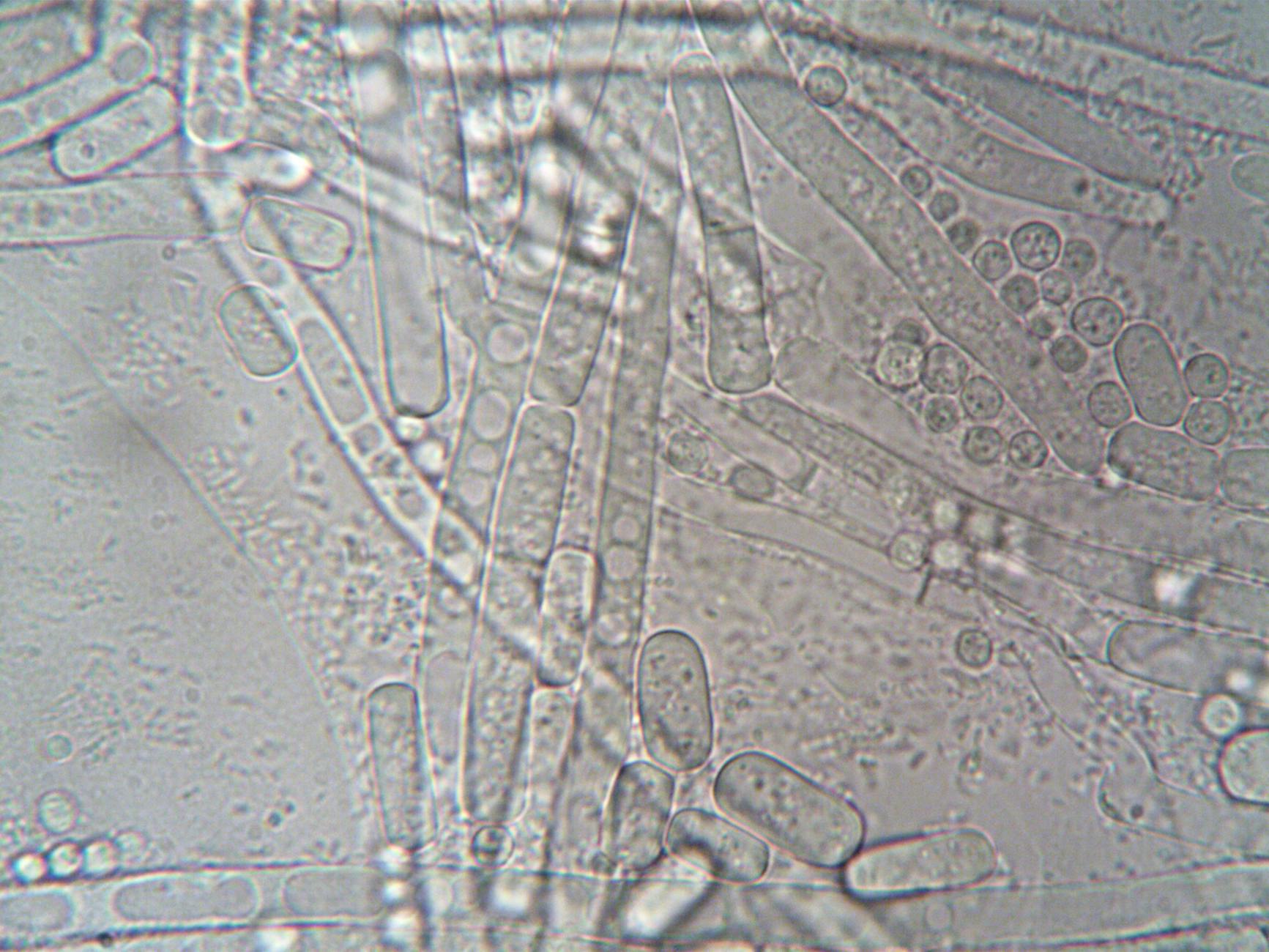
If you could zoom in under a microscope during a moment of stress, what you would see is not calm or neutral. You would see activity, urgency, and a system working hard to keep up.
Understanding this changes how you relate to stress. It stops being something you think your way out of and becomes something you support your body through.
Your Body Immediately Shifts Into Survival Mode
The moment your body perceives stress, it activates the fight or flight response. This response is designed to protect you. Hormones like adrenaline and cortisol are released, your heart rate increases, and your body prepares to respond quickly. At the cellular level, this means your cells shift from maintenance mode into action mode. Energy is redirected toward immediate survival needs. Processes that are not essential in the moment, like digestion, repair, and long-term healing, are temporarily deprioritized. This is helpful in short bursts. It becomes a problem when it stays on for too long.
Your Cells Start Using Energy Differently
Inside your cells, tiny structures called mitochondria are responsible for producing energy.
Under stress, your mitochondria are pushed to work harder and faster to meet increased demand.
Research in cellular biology shows that prolonged stress can affect mitochondrial efficiency and increase the production of reactive oxygen species, which are byproducts of energy production oxidative stress.
In simple terms, your cells are producing energy quickly, but with more “wear and tear.” Over time, this can lead to fatigue at a cellular level, which is why stress often shows up as physical exhaustion, not just mental strain.
Inflammation Begins to Rise
When your body is under stress, it also triggers inflammatory responses.
Inflammation is not inherently bad. It is part of how your body protects and repairs itself. However, when stress is chronic, inflammation can remain elevated longer than it should.
At the cellular level, this means your immune system is more active, signaling that something needs attention.
According to research supported by the National Institutes of Health, chronic stress is associated with increased inflammatory markers in the body.
This is one of the reasons people under prolonged stress may feel achy, fatigued, or generally unwell without a clear cause.
Your Cells Become Less Efficient at Repair
When your body is in a constant state of stress, it prioritizes immediate survival over long-term maintenance. This affects how your cells repair and regenerate.
Normally, your body is constantly repairing tissues, regulating systems, and maintaining balance. Under chronic stress, these processes are slowed down.
This does not happen all at once. It builds over time. You may notice slower recovery, lower energy, or a sense that your body is not bouncing back the way it used to.
Your Nervous System Signals Stay Activated
At the core of all of this is your nervous system because, your nervous system is constantly sending signals to your cells about how to respond. If your system perceives ongoing stress, those signals remain active. Your cells continue to operate as if they need to stay prepared.
This is why you can feel tense or on edge even when nothing immediate is happening. Your system has not received enough signals of safety to fully shift out of that state.
Why You Feel It in Your Body
All of these cellular changes eventually show up in ways you can feel.
You may experience:
- Persistent fatigue
- Brain fog or difficulty focusing
- Muscle tension or tightness
- Digestive changes
- A sense of being constantly “on”
These are not random symptoms. They are the result of your cells adapting to prolonged stress.
What Happens When Your Body Feels Safe Again
The good news is that this process is not permanent. When your body begins to feel safe, even in small moments, your system starts to shift. Your nervous system signals change. Your cells move out of survival mode and back into maintenance and repair. Energy production becomes more efficient. Inflammation decreases. Your body begins to restore balance. This does not happen instantly, but it does happen consistently when your system is supported.
A More Grounded Way to Think About Stress
Stress is not just something happening in your thoughts. It is something your cells are responding to in real time. This is why quick fixes rarely create lasting change. What your body needs is consistent signals that it can come out of survival mode. Small shifts in how you move through your day, how you rest, how you support your body, all contribute to this. If you have been feeling off, tired, or overwhelmed, it is not just in your head. Your body has been working hard at a level you cannot see. When you begin to support it, not push it harder, things start to change. And that change starts at the cellular level.
Start Here
There’s no question that stress is a major global health concern, and interpersonal conflict and violence remain highly prevalent. If you’ve been feeling overwhelmed, exhausted, or unsatisfied in your relationships, you’re not alone. Individually and collectively, many are simply unwell.
Simple Mom Wellness exists to change this by providing accessible, practical tools that support individuals and families around the globe in building healthy bodies, healthy minds, and healthy relationships. You can be part of this change today. Explore our online programs, join an upcoming event, or get involved by donating or volunteering.
We also invite you to join The Regulation Room, a weekly guided opportunity to gather and regulate. Together, we’re building healthy minds, healthy bodies, and healthy relationships so people can move through life feeling confident, calm, and connected.
Many people begin with:
For communication patterns and relationship dynamics, Calm in the Chaos provides practical tools for staying grounded and clear.
Thank you for supporting our mission.
Leave a Reply