Tag: trauma recovery
-

Why There’s Nothing Better Than Meditating in a Group
Meditation is often perceived as a solitary activity, but practicing in groups offers distinct benefits. Group meditation creates a supportive environment that enhances relaxation, builds consistency, fosters connection, and provides guidance. This collective experience helps individuals regulate their nervous systems, making meditation more accessible and effective while promoting emotional resilience and community well-being.
-
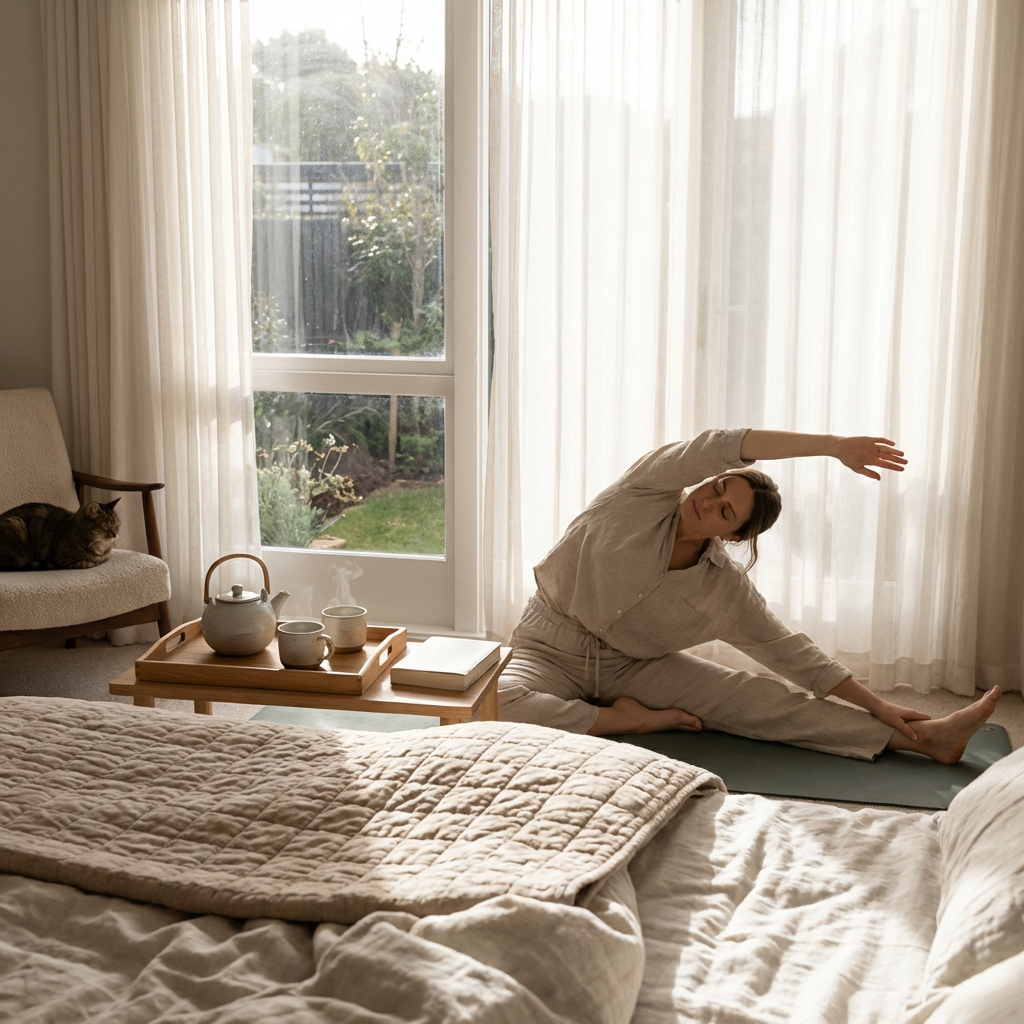
Daily Nervous System Regulation Habits That Actually Work
Most people don’t need more coping tools. They need daily nervous system regulation habits that are simple enough to repeat. Regulation is not achieved through occasional breakthroughs. It’s built through small, consistent signals of safety that lower baseline stress over time. If your body feels tense even when nothing is “wrong,” that’s not weakness. It’s…
-

Why People Panic When You Stop Explaining Yourself
Stopping over-explaining can disrupt established dynamics, leading to discomfort, panic, or escalation in others. Their reactions stem from losing predictability and control. Healthy boundaries create instability for those accustomed to emotional negotiation. Embracing silence and calm communication helps maintain clarity without provoking further anxiety or conflict while fostering stable relationships.
-

How to Have an Easy Natural Birth
An easy natural birth focuses on nervous system safety rather than pain tolerance. Labor progresses best in a calm, supportive environment where oxytocin thrives. Preparation involves emotional and physical regulation months prior, using affirmations and soothing supports. Ultimately, ease in birth means feeling supported, safe, and powerful, rather than pain-free.
-

It’s Not What You Eat—It’s Who You Are When You’re Eating
The state of your nervous system significantly influences your eating experience, affecting digestion, appetite, and satisfaction. Eating in a relaxed state fosters healthier relationships with food, while stress and anxiety can lead to cravings and unsatisfying meals. Regulating before eating enhances nourishment and encourages a sense of safety and peace.
-

How Stress Disrupts Sleep, Hormones, and Appetite
Chronic stress disrupts sleep, hormones, and appetite due to the nervous system’s prioritization of survival. Elevated cortisol levels cause restlessness, distorted hunger cues, and hormonal imbalances. To restore balance, addressing these interconnected systems through regulation, consistent routines, and supportive foods is essential, rather than attempting to optimize each area individually.
-

How Your Home Environment Affects Your Nervous System
Your nervous system subconsciously reacts to environmental cues, influencing your feelings of safety or stress at home. Clutter and sensory overload impact focus and relaxation. Creating a calming space with predictability and gentle sensory inputs can enhance emotional regulation and reduce tension, leading to improved well-being without extensive changes.
-
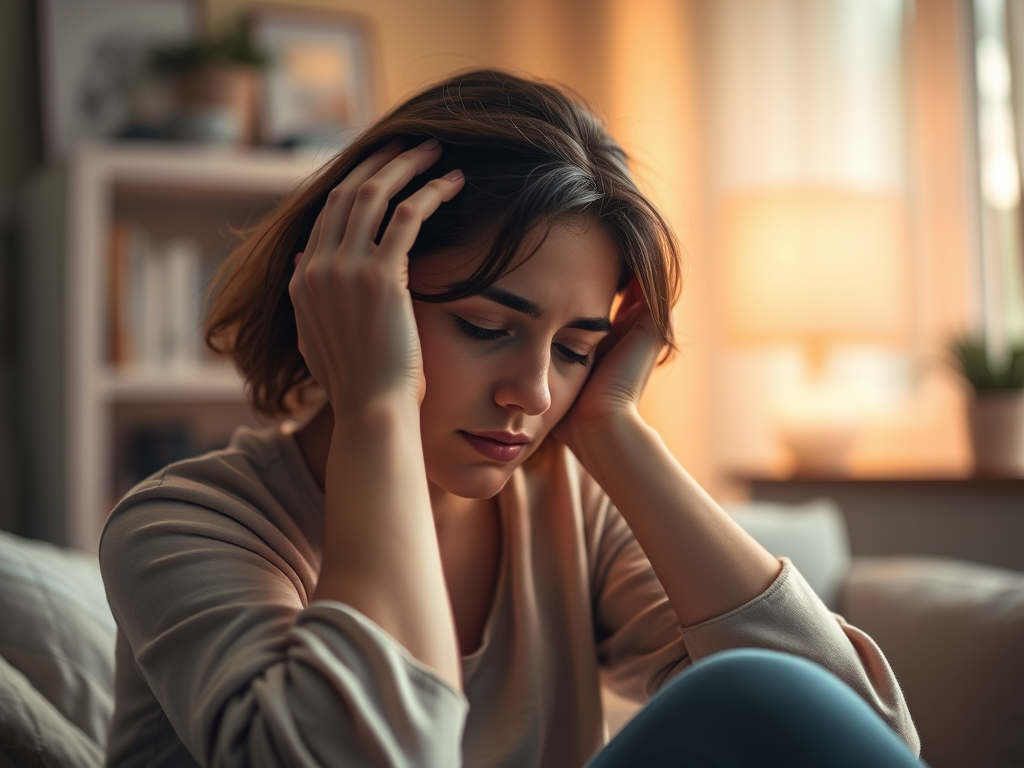
The Fawn Response: When Being “Nice” Is a Stress Reaction
Many people describe themselves as “too nice,” overly accommodating, or unable to say no—even when it costs them deeply. This isn’t a personality flaw.It’s often a nervous system survival strategy known as the fawn response. Fawning happens when the body learns that staying agreeable, helpful, or emotionally attuned to others is the safest way to…
-

What It Means to Come Back to Yourself After Stress
Chronic stress can disrupt a person’s sense of self, as the nervous system prioritizes survival. Reconnection involves physiological processes rather than mindset shifts. People can aid this through gentle cues of safety, such as journaling and quiet walks. Progress occurs in cycles, emphasizing that healing is nonlinear and varies in duration.
-

Why Your Body Reacts Before You Can Think
The post discusses how emotional reactions occur before conscious thought due to the nervous system prioritizing safety. It explains that this automatic response is not a flaw but a survival mechanism shaped by past experiences. Emphasizing regulation over control, it suggests tools for reducing stress and fostering a sense of safety.