Tag: trauma recovery
-

Why Chemistry Isn’t the Same as Emotional Safety
Many people confuse chemistry with emotional safety, especially if their past relationships were intense, unpredictable, or emotionally charged. Chemistry feels exciting. It’s fast, magnetic, and consuming. Emotional safety feels steady, calm, and consistent. And for many adults—especially those with a history of stress or trauma—those two experiences can feel very different. Understanding the difference can…
-

How to Parent When Communication With the Other Parent Isn’t Safe
Co-parenting can be challenging, especially in high-conflict situations where communication may feel unsafe. Instead of traditional advice to communicate better, parents are encouraged to focus on emotional safety through parallel parenting. Setting clear boundaries and minimizing interactions help create a stable environment for children, allowing parents to regulate their own emotions effectively.
-

The Four Breath Practices You Need to Start Today
Breath serves as a direct connection to the nervous system, aiding in stress regulation and emotional clarity. Four effective breathing practices include Long Deep Breathing, Alternate Nostril Breathing, Breath of Fire, and Conscious Power Breathing, each catering to different needs. Consistent practice encourages safety and improved emotional well-being.
-
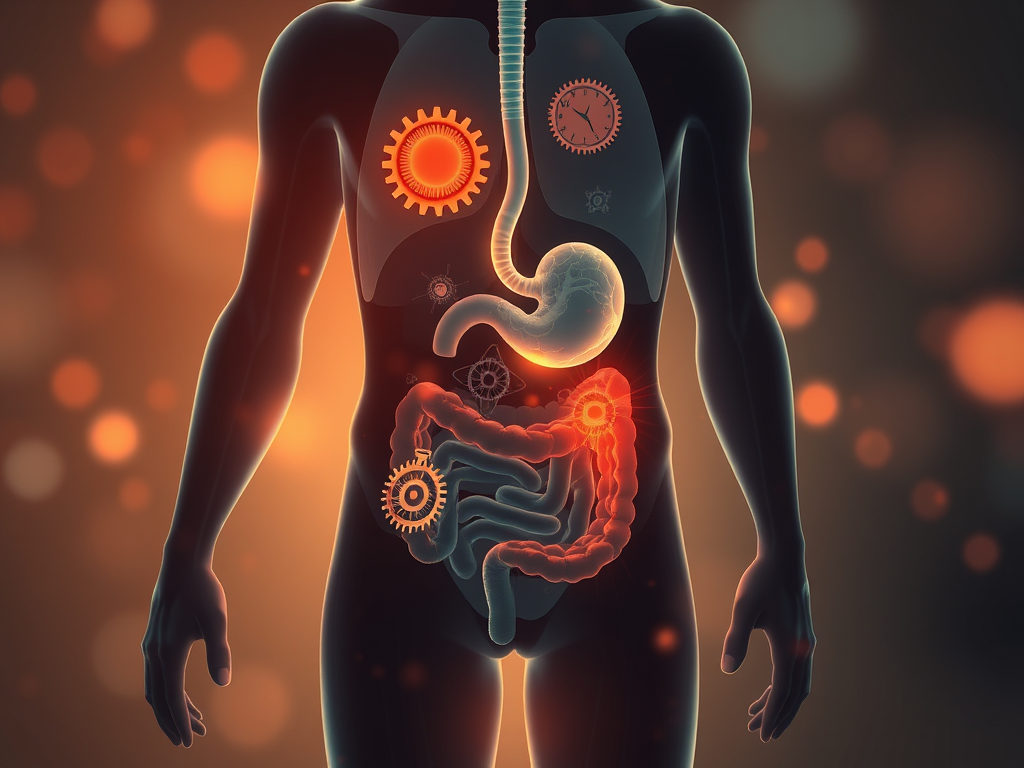
How Chronic Stress Shows Up as Gut Issues, Fatigue, and Pain
Many people assume stress only affects mood or mental health. In reality, chronic stress often shows up physically—through digestion problems, persistent fatigue, and unexplained pain—long before someone recognizes how overwhelmed their nervous system has become. These symptoms are not random. They are signals. When stress becomes prolonged, the body shifts into survival mode, prioritizing short-term…
-

How Stress in the Home Affects a Child’s Nervous System
Stress in the home profoundly impacts children’s nervous systems, affecting their behavior even without visible conflict. Children respond to subtle cues from adults, indicating their emotional safety. Regulated adults create safer environments. Emphasizing predictability, emotional repair, and modeling regulation supports children’s well-being during stressful times, promoting healthier family dynamics and resilience.
-

Is This Anxiety—or a Trauma Response? How to Tell the Difference
Not sure if what you’re feeling is anxiety or a trauma response? Learn the key differences and what actually helps the nervous system feel safe again.
-

Why Parenting Feels Harder When You’re Overwhelmed (And What Actually Helps)
Parenting feels harder when you’re overwhelmed because your nervous system is stressed. Learn why—and what actually helps calm parenting return.
-

Why Your Body Feels Stuck in Fight-or-Flight (And How to Calm It)
Learn how to tell if your body is stuck in fight-or-flight, why it happens, and what actually helps calm the nervous system safely.
-

Why Trauma Lives in the Body (and Not Just the Mind)
Trauma is rooted in the nervous system and manifests through protective responses rather than conscious thought. Healing requires establishing safety without forcing analysis. Effective recovery focuses on regulation, enabling emotional clarity and reducing intensity of triggers. Approaches should prioritize gradual integration rather than reliving traumatic experiences, fostering a sense of stability.
-

How to Tell If You’re in Survival Mode (and Why It’s Not Your Fault)
Survival mode is a physiological state that occurs when the nervous system perceives ongoing stress, leading to exhaustion, emotional flatness, and difficulty concentrating. It prioritizes protection over clarity, making decision-making challenging. Overcoming this state begins with awareness and creating safe moments, allowing for regulation and clarity to return.