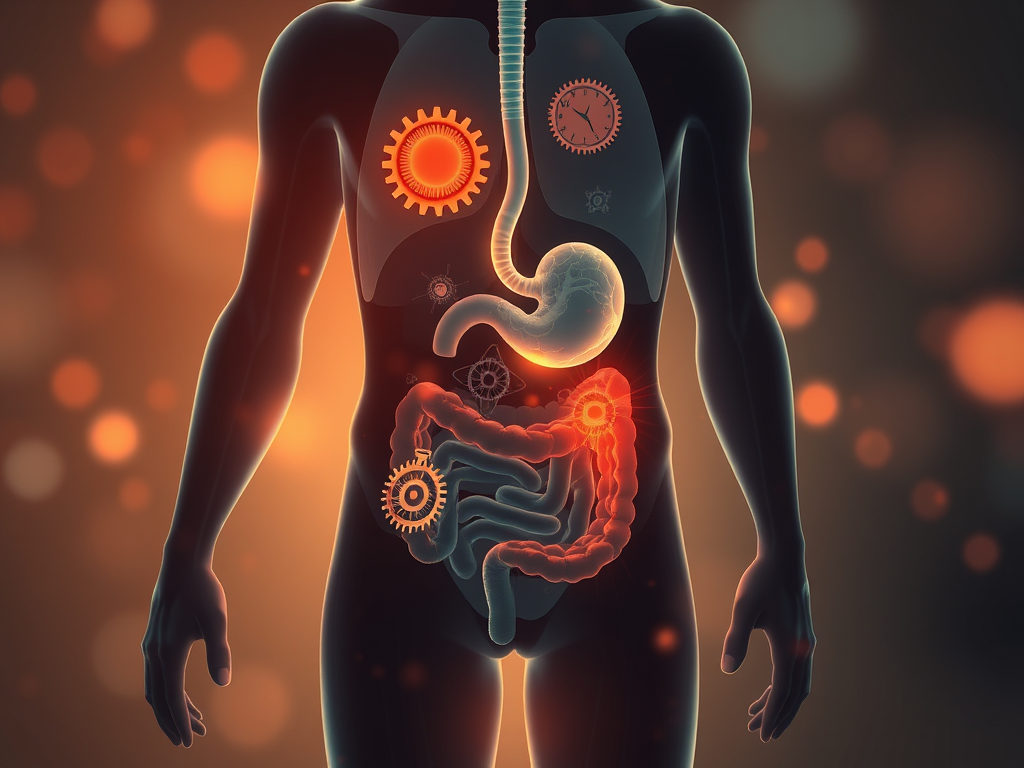
Many people assume stress only affects mood or mental health. In reality, chronic stress often shows up physically—through digestion problems, persistent fatigue, and unexplained pain—long before someone recognizes how overwhelmed their nervous system has become.
These symptoms are not random. They are signals.
When stress becomes prolonged, the body shifts into survival mode, prioritizing short-term protection over long-term health. Over time, that tradeoff shows up in very real, very physical ways.
How Chronic Stress Impacts the Body
Stress activates the nervous system’s threat response. In short bursts, this response is helpful. When it stays on for weeks, months, or years, the body begins to pay a price.
Common physical symptoms of chronic stress include:
- Digestive issues such as bloating, constipation, diarrhea, or nausea
- Persistent fatigue that doesn’t improve with rest
- Muscle tension, headaches, or body aches
- Increased inflammation and sensitivity to pain
This isn’t weakness. It’s biology.
The Gut Is Often the First to Respond
The digestive system is especially sensitive to stress. When the nervous system stays activated:
- Blood flow is diverted away from digestion
- Gut motility becomes irregular
- Nutrient absorption is reduced
- The gut–brain connection becomes dysregulated
This is why stress-related gut issues often appear without a clear dietary cause. Your body is focused on protection, not processing.
If you’ve read How to Tell If You’re in Survival Mode (and Why It’s Not Your Fault), this physical response often explains why symptoms persist even when you’re “doing all the right things.”
Why Fatigue Feels Different With Chronic Stress
Stress-related fatigue isn’t the same as being tired from a busy day.
Chronic stress fatigue often feels like:
- Heavy, foggy exhaustion
- Low motivation paired with internal pressure
- Feeling wired but drained at the same time
This happens because the nervous system is using large amounts of energy to stay alert. Eventually, the body runs low on reserves.
This is closely connected to Why Chronic Stress Makes Simple Decisions Feel Impossible—the brain and body are conserving energy wherever they can.
How Stress Contributes to Ongoing Pain
When stress remains unresolved, the nervous system can become hypersensitive. Pain thresholds drop, and existing discomfort feels more intense.
This doesn’t mean pain is “in your head.” It means the nervous system is amplifying signals as a protective strategy.
Over time, this pattern can lead to:
- Chronic muscle tension
- Joint or back pain
- Headaches or migraines
- Heightened sensitivity to physical discomfort
The body is communicating that it needs safety, not more pushing.
Why Symptoms Don’t Go Away on Their Own
Many people wait for stress to “pass” before their symptoms resolve. But if the nervous system doesn’t receive signals of safety, it can stay locked into survival mode even when external circumstances improve.
This is why learning regulation—not just stress management—is essential.
As explored in The Difference Between Feeling Calm and Being Regulated, calm is not just the absence of stress. It’s the presence of safety in the body.
What Helps the Body Recover From Chronic Stress
Physical symptoms ease when the nervous system begins to feel safer.
What helps most:
- Predictable routines that reduce decision fatigue
- Gentle movement rather than intense exercise
- Consistent nourishment without restriction
- Reducing pressure to “power through” symptoms
Support tools like The Nervous System Repair Kit and the 7-Day Guide to More Calm and Energy are designed to help the body step out of survival mode gradually, without forcing change.
For families, even introducing grounding language at home—similar to what’s modeled in Sparkle’s A–Z Affirmations—can support regulation across the nervous system over time.
FAQ: Chronic Stress and Physical Symptoms
Can stress really cause gut issues and pain?
Yes. Chronic nervous system activation directly affects digestion, energy metabolism, and pain perception.
Why do my symptoms come and go?
Stress responses fluctuate. Symptoms often worsen during periods of increased pressure or emotional demand.
Do I need to eliminate stress completely to heal?
No. Healing comes from regulation and support, not a stress-free life.
Is this the same as burnout?
Burnout often includes chronic stress symptoms, but physical dysregulation can exist even without traditional burnout signs.
Support for Stress-Related Physical Symptoms
If your body has been carrying stress for a long time, it’s not broken—it’s adaptive.
Gentle next steps include:
You don’t need more willpower.
You need conditions that allow your body to recover.
This post may contain Amazon affiliate links. As an Amazon Associate, I may earn a small commission if you purchase through my links—at no extra cost to you. Thank you for supporting Simple Mom Wellness.
Leave a Reply