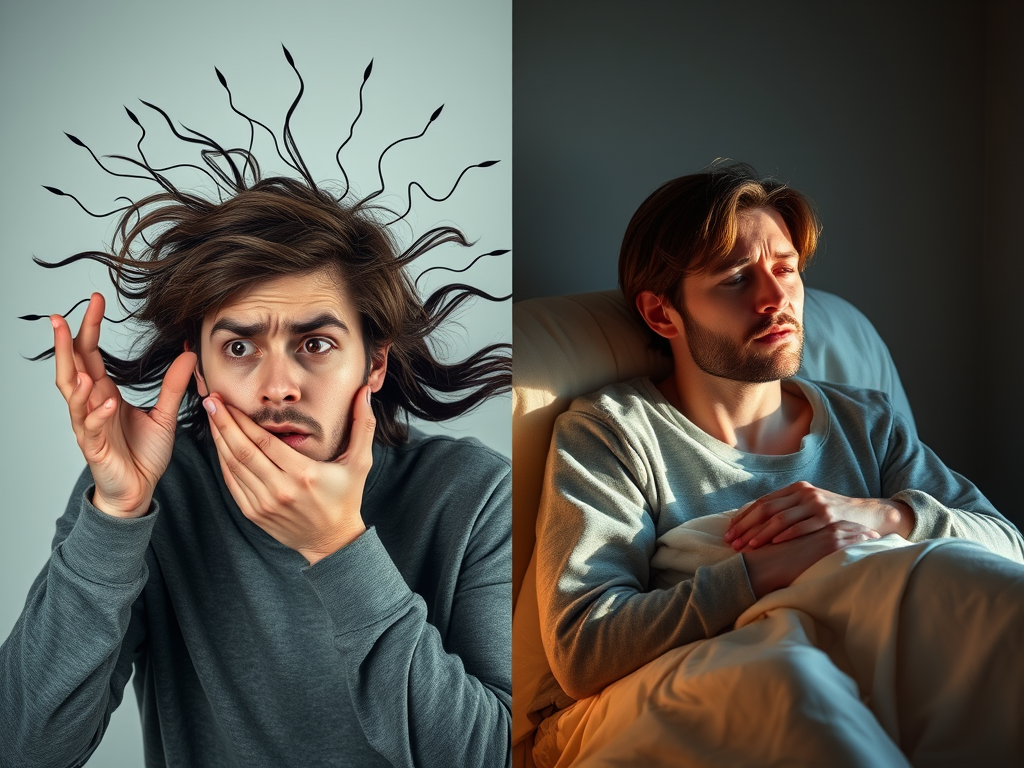
If you’ve ever wondered whether what you’re experiencing is anxiety or a trauma response, you’re not alone. Many people are told they’re anxious when their nervous system is actually responding to unresolved stress or trauma.
While anxiety and trauma responses can look similar on the surface, they are not the same thing—and they don’t respond to the same solutions.
Understanding the difference can be the key to finally finding relief.
Why Anxiety and Trauma Responses Get Confused
Anxiety is often described as excessive worry, nervousness, or fear about future events. A trauma response, on the other hand, is the nervous system reacting to past threat as if it’s still happening now.
Both can include:
- Racing thoughts
- Tension in the body
- Difficulty sleeping
- Irritability or overwhelm
But the source of the response matters.
If you’ve ever read How to Tell If You’re in Survival Mode (and Why It’s Not Your Fault) and thought, this explains me exactly, that’s often a sign you’re dealing with a trauma-based stress response rather than anxiety alone.
Key Differences Between Anxiety and a Trauma Response
Here’s a simple way to distinguish them:
Anxiety tends to be:
- Thought-driven
- Future-focused
- Responsive to reassurance, logic, or coping strategies
A trauma response tends to be:
- Body-driven
- Triggered by sensation, tone, or environment
- Resistant to logic or “positive thinking”
This is why many people say, “I understand why I’m safe, but my body doesn’t believe it.”
As explained in Why Trauma Lives in the Nervous System (and Not Just the Mind), trauma is stored as a physical survival pattern, not just a memory you can reason away.
Why Traditional Anxiety Tools Often Fall Short
If you’re dealing with a trauma response, tools like journaling, affirmations, or cognitive reframing may help temporarily—but they often don’t resolve the underlying activation.
That’s because the nervous system doesn’t calm through insight alone. It calms through signals of safety.
This is also why people experiencing chronic stress often relate to What Happens in the Body Before Emotional Reactivity—the reaction starts before conscious thought kicks in.
What Actually Helps a Trauma-Activated Nervous System
When your body is in survival mode, support needs to be physical and consistent, not forceful.
What helps most:
- Slow, rhythmic breathing
- Gentle movement that crosses the midline
- Grounding through pressure or warmth
- Reducing stimulation, not adding more tasks
Many people find that simple tools like a weighted blanket help their nervous system downshift at night by providing deep pressure input—a cue of safety the body can respond to without effort.
Likewise, magnesium glycinate is often recommended for nervous system support because it helps relax muscles and calm stress signaling in the body. (This is especially helpful if your stress shows up as tension, jaw clenching, or restless sleep.)
These tools don’t replace healing—but they support your system while healing happens.
A Grounding Reframe
Instead of asking:
- “Why am I so anxious?”
Try asking:
- “What does my nervous system think it’s protecting me from?”
This removes self-blame and opens the door to regulation.
FAQ: Anxiety vs Trauma Response
How do I know if it’s anxiety or trauma?
If reassurance and mindset shifts don’t calm your body, and your reactions feel automatic, it’s likely trauma-based nervous system activation.
Can you have both anxiety and trauma responses?
Yes. Many people experience anxiety layered on top of unresolved trauma patterns.
Why does my body react when nothing is wrong?
Because the nervous system learns from past threat, not present reality. Safety has to be experienced, not explained.
Support for Nervous System Healing
If this article resonates, your body may need more than coping strategies.
Helpful next steps:
- 7-Day Guide to More Calm and Energy – gentle daily regulation practices
- The Nervous System Repair Kit – structured tools designed to retrain the stress response safely
You don’t need to push through this.
You need the right kind of support.
*This post may contain Amazon affiliate links. As an Amazon Associate, I may earn a small commission if you purchase through my links—at no extra cost to you. Thank you for supporting Simple Mom Wellness.
Leave a Reply